

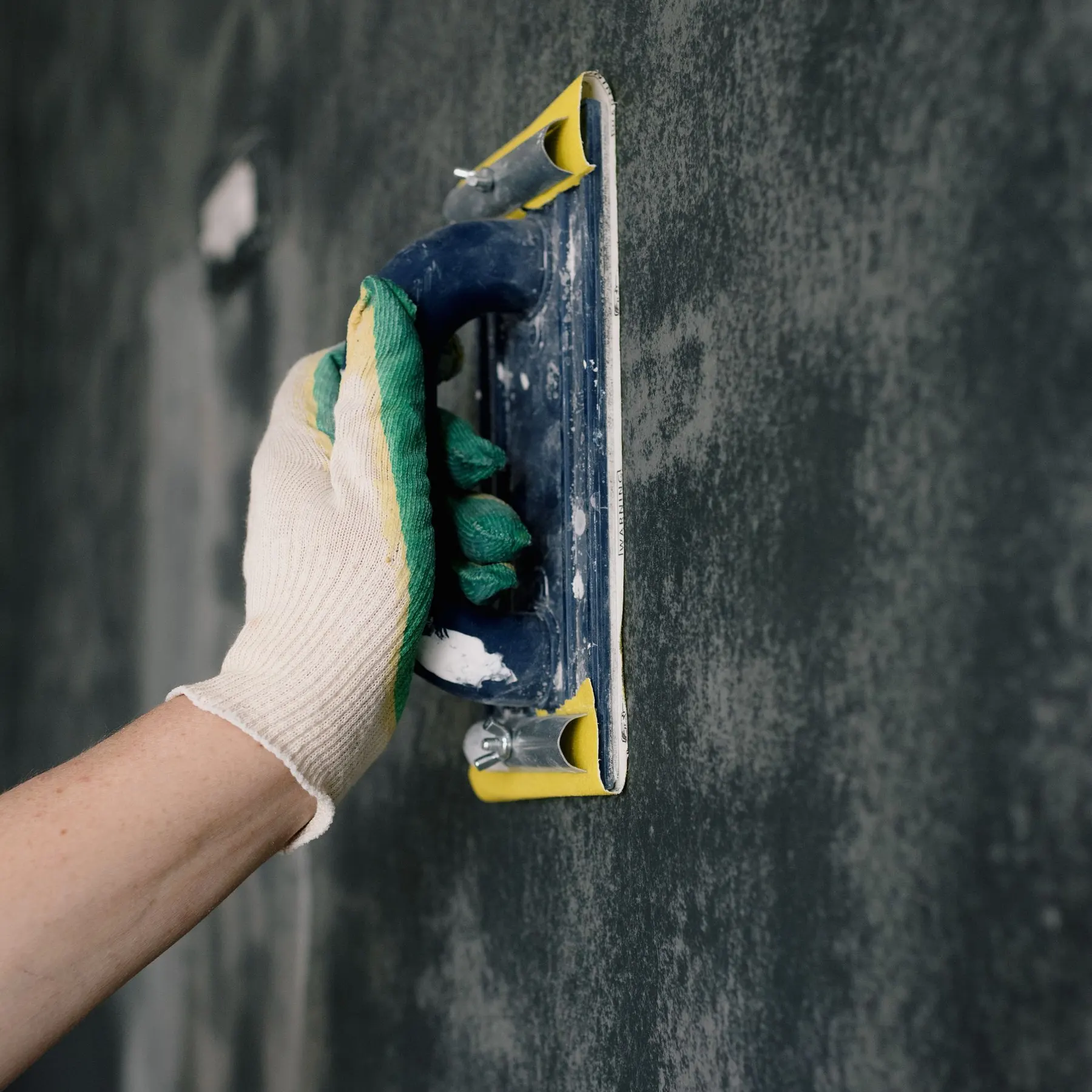
A cracked ceiling looks alarming, but not every crack means the ceiling is coming down. Knowing the difference saves you money, because sometimes a repair is all you need, and sometimes it is not.
Why plaster ceilings crack
- Movement. Houses move slightly with the seasons and with traffic outside. Fine, hairline cracks that follow the edges or run in straight lines are often just this, and they are usually cosmetic.
- Old lath and plaster. A lot of older Stoke-on-Trent terraces, the Potteries housing around Longton and Fenton in particular, still have original lath-and-plaster ceilings. Over decades the plaster can lose its grip on the timber laths behind it and start to sag or bow.
- Water damage. A leak from a bathroom, a roof or a radiator above will stain, soften and eventually blow a ceiling. This is the one to act on quickly.
- Vibration and works. A new bathroom or loft conversion above, or heavy work nearby, can open cracks that were not there before.
Repair, or replaster?
A good rule of thumb: if the ceiling is sound and the crack is cosmetic, a patch repair and a skim will put it right and you will never know it was there. Signs a repair is enough:
- The ceiling feels solid when pushed gently, with no give.
- The crack is fine and stable, not opening up.
- There is no sag, bulge or brown water staining.
Signs it needs more than a patch:
- The ceiling sags, bulges or feels springy underfoot from above.
- You can see daylight-thin gaps, or bits have already come away.
- There is water staining, which usually means the problem is above the plaster, not in it.
Fix the cause first
The important part: if water caused the damage, the leak has to be sorted before any plastering, or the new ceiling will fail the same way. Plaster is the finish, not the cure. Once the cause is dealt with, a ceiling can be patched or, where it has really gone, over-boarded and re-skimmed so it looks new again.
If your ceiling is cracked or sagging and you are not sure which camp it is in, send us a photo and the story of what happened. We cover Stoke-on-Trent and across Staffordshire and Cheshire, and we will tell you honestly whether it is a repair or a replaster.