
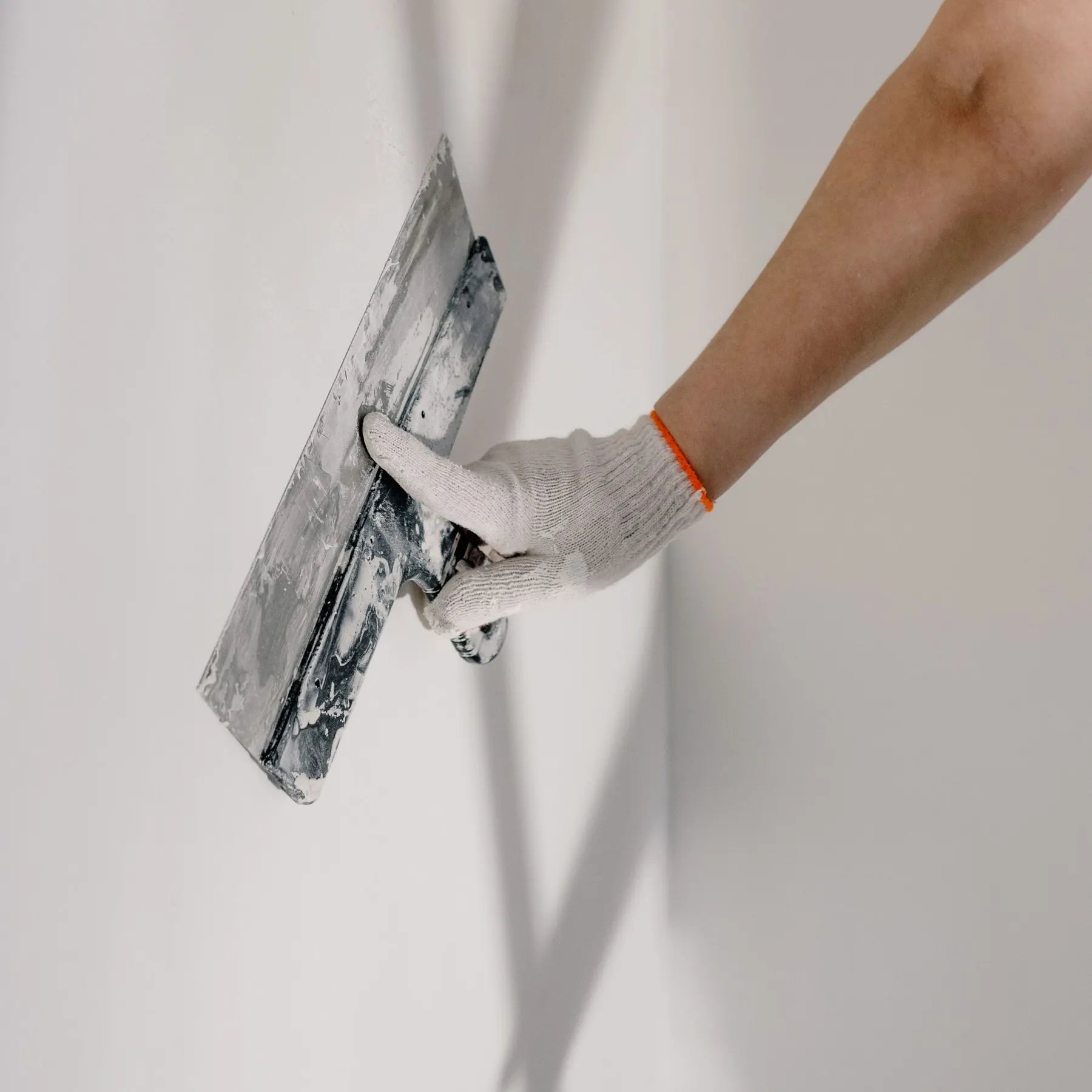
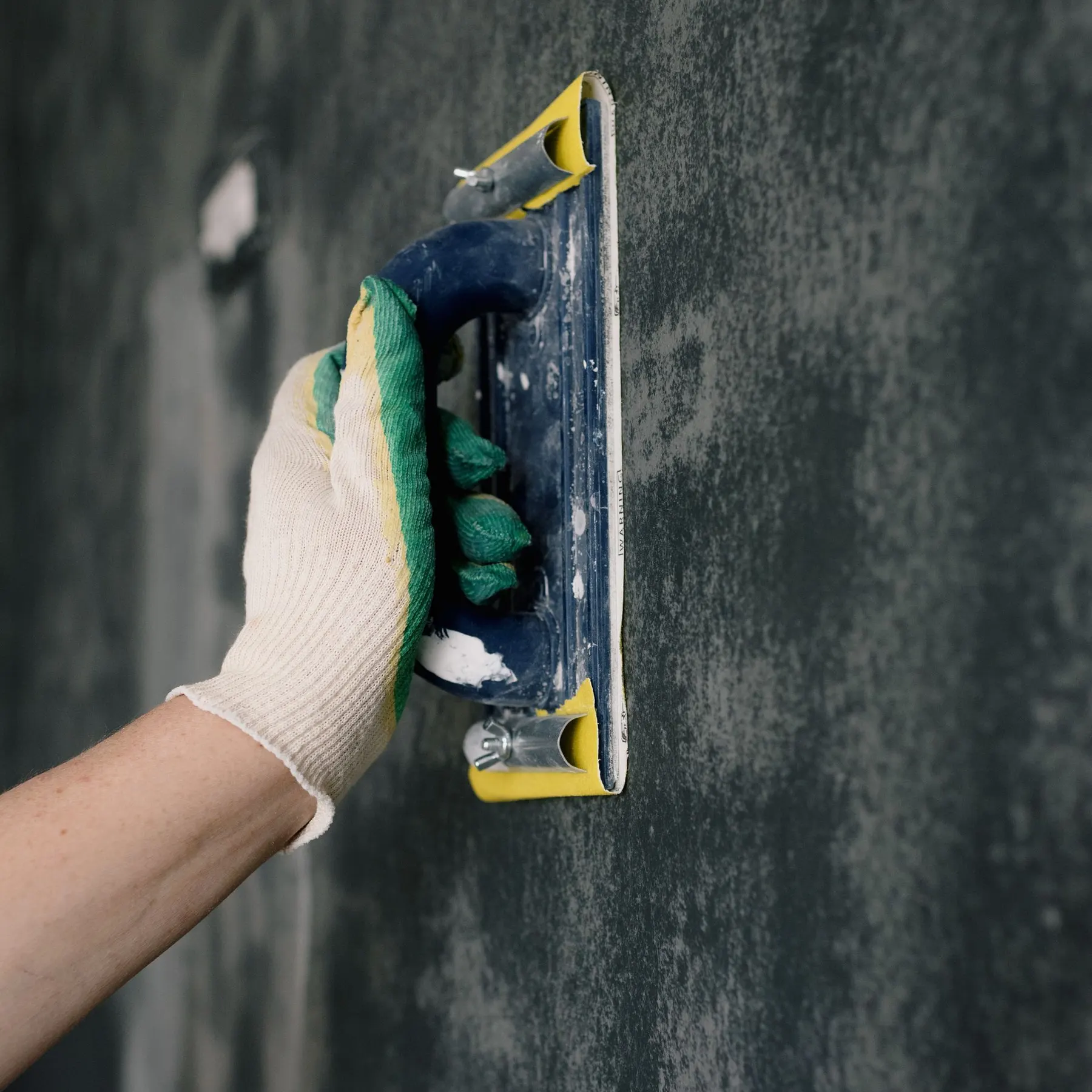
It is the question we get asked on almost every skim job: when can I paint it? The honest answer is that new plaster needs to dry properly first, and rushing it is the most common reason a fresh wall ends up patchy or peeling.
Key takeaways
- A skim over sound plasterboard is often ready to paint in three to four days; plaster over bare brick can take a couple of weeks.
- It is dry when the whole wall has turned an even, pale, chalky colour with no dark patches left.
- Always start with a mist coat of thinned emulsion, never full-strength paint straight onto new plaster.
- Dry it slowly with gentle airflow; forcing it with heat brings cracks out.
The short version
As a rough guide, a skim coat over sound plasterboard is often dry enough to paint in about three to four days. Plaster applied over bare brick or an older backing wall holds far more moisture and can take a good deal longer, sometimes a couple of weeks, before it is ready. Those are guides, not promises. A cold, damp room in the middle of a Staffordshire winter dries much slower than a warm room in summer.
How to tell it is actually dry
Fresh plaster starts a warm pinkish brown and dries to a pale, even, chalky colour. The giveaway is patchiness: if there are still darker patches, those areas are holding moisture and are not ready. Wait until the whole wall has gone a consistent pale tone, with no dark shadows around the edges or in the corners, which are always the last to go.
Getting the first coat right
Do not put normal emulsion straight onto new plaster. It seals the surface too quickly, and the paint can peel later. The usual approach is a mist coat first: watered-down emulsion, thinned roughly three parts paint to one part water, which soaks in and gives the topcoats something to grip. Once that is on and dry, you can build up your normal coats.
Helping it dry without cracking it
Gentle airflow helps. Open a window, let the room breathe, and keep a steady mild temperature. What you should not do is blast it with a heater or the central heating turned up full, because drying plaster too fast is a good way to bring cracks out, the same stresses behind why plaster ceilings crack. Slow and even wins.
When to ask
If a wall is still showing damp patches long after you expected it to dry, that can point to something behind the plaster rather than the plaster itself, an old leak, a bit of penetrating damp, or a wall that was never quite right. If you are not sure, it is worth a look before you decorate over it.
We cover Stoke-on-Trent and out across Staffordshire and Cheshire for plastering and skimming, plus repairs. If you want a wall looked at or a fresh skim quoted, get in touch through our contact page and we will give you a straight answer.

